
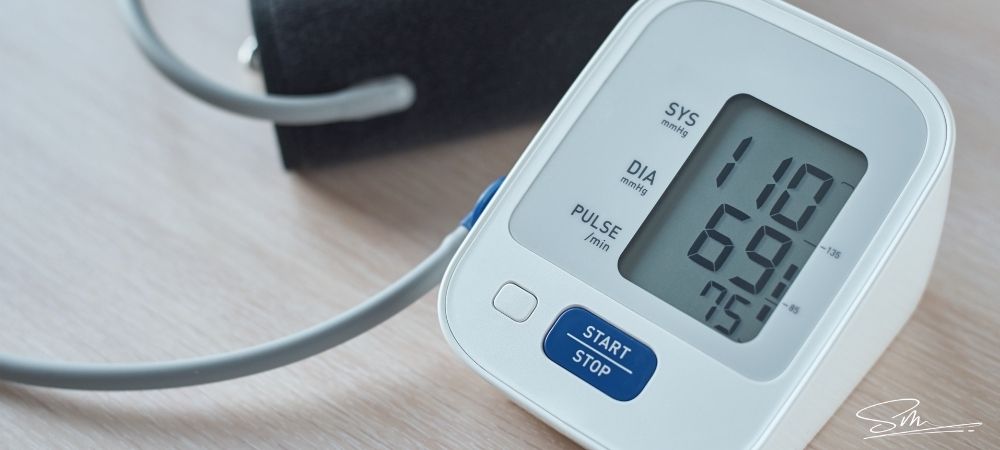
You have probably had your blood pressure checked dozens of times. The cuff tightens, someone reads out two numbers, and the appointment moves on. But what do those numbers tell you? And would they be the same if you checked again at home?
High blood pressure, or hypertension, usually causes no warning signs. You can feel well while it gradually damages blood vessels in the heart, brain, kidneys, and eyes. The World Health Organization estimates that 1.4 billion adults ages 30 to 79 had hypertension in 2024. About 44% did not know they had it.
Keeping track of your blood pressure is a practical way to look after your future health. A few careful measurements can give you and your clinician a much clearer picture than a single reading at an annual physical.
What do the two blood pressure numbers mean?
A blood pressure reading contains two numbers and is reported in millimeters of mercury, or mm Hg.
- Systolic pressure, the upper number, is the pressure in the arteries while the heart contracts and sends blood into circulation.
- Diastolic pressure, the lower number, is the pressure remaining in the arteries while the heart relaxes between beats.
A reading of 124/76 mm Hg means the pressure is 124 when the heart contracts and 76 between beats.
Both numbers matter. Even if the upper number looks reassuring, a high lower number still needs attention.
Understanding the categories
The 2025 American Heart Association and American College of Cardiology guideline classifies adult blood pressure as follows:
| Category | Systolic pressure | Diastolic pressure |
|---|---|---|
| Normal | Less than 120 | and less than 80 |
| Elevated | 120–129 | and less than 80 |
| Stage 1 hypertension | 130–139 | or 80–89 |
| Stage 2 hypertension | 140 or higher | or 90 or higher |
If the two numbers fall into different categories, the higher category applies. For example, 126/84 is classified as stage 1 hypertension because the diastolic value is in that range.
One reading does not usually establish a diagnosis. Your clinician will generally look at the average of several careful measurements on different occasions. Home readings or a monitor worn throughout the day can help. Pregnancy, serious illness, and symptoms need individual assessment.
Why small differences matter over time

The categories help guide treatment, but the body does not respond to a precise cutoff. Risk generally increases as blood pressure gets higher and stays high over time.
Persistently elevated pressure can injure the inner lining of arteries and accelerate vascular disease. It can contribute to heart attack, stroke, heart failure, chronic kidney disease, vision loss, and cognitive decline. The long-term concern is not usually a brief increase during exercise or a stressful meeting; it is the cumulative effect of resting pressure that remains too high.
Addressing high blood pressure early can help preserve the health you will depend on as you get older.
One reading can be misleading
Blood pressure changes from minute to minute. Sleep, stress, pain, exercise, caffeine, nicotine, alcohol, hydration, medication, and even a full bladder can influence a reading.
Technique matters too. A cuff that is too small, an unsupported back, crossed legs, conversation during the measurement, or an arm hanging below heart level can produce a misleading result. Some people have higher readings in a medical office but normal readings elsewhere, often called white-coat hypertension. Others have normal office measurements but elevated pressure at home, known as masked hypertension.
If one reading is different from the next, that is not necessarily a problem. A consistent routine makes the average more useful and helps your clinician spot a lasting change.
How to measure blood pressure correctly at home
Choose a validated automatic monitor with an upper-arm cuff that fits your arm. Wrist devices may be useful in selected circumstances, but positioning makes them more error-prone. Current guidelines advise against relying on cuffless devices such as smartwatches for clinical blood pressure decisions until their accuracy and reliability improve.
Here is how to get a reliable reading:
- Avoid exercise, nicotine, caffeine, and alcohol for at least 30 minutes beforehand.
- Empty your bladder.
- Sit quietly for at least five minutes.
- Use a chair that supports your back.
- Keep both feet flat on the floor and legs uncrossed.
- Place the cuff on bare skin, not over clothing.
- Support the arm on a table so the cuff is at heart level.
- Do not talk, text, or watch something stressful during the measurement.
- Take two readings one to two minutes apart and record both.
If your clinician asks you to keep a log, measure at roughly the same times each day. They may suggest morning and evening readings for several days. Ask how long to keep recording and when to share the results.
Bring your monitor to an appointment so someone can check the cuff fit and compare it with the office equipment. Keep all your readings, including the unexpected ones. If you had just rushed upstairs or forgotten to rest, add a note alongside the result.
When a high reading is urgent
A severely elevated reading deserves prompt attention, but the response depends on symptoms and context.
If your blood pressure is higher than 180/120 mm Hg, sit quietly and repeat the measurement after at least one minute. If it remains that high, contact a healthcare professional promptly for instructions.
Call emergency services immediately if a very high reading occurs with symptoms such as chest pain, shortness of breath, sudden weakness or numbness, difficulty speaking, confusion, fainting, a major change in vision, or another sign of acute organ injury. Do not attempt to rapidly lower the pressure with someone else’s medication or an extra dose unless a clinician specifically directs you to do so.
Everyday habits that can help
Food, activity, sleep, and alcohol intake can all affect blood pressure. Start with a change you can keep doing, then use your readings and follow-up visits to see how the plan is working.
Work toward a healthy weight
Excess body fat, particularly around the abdomen, is associated with hypertension. If you carry excess weight, even modest, sustained weight loss can help. Include adequate protein and resistance training in a plan suited to your health so that you preserve muscle while losing fat.
Build a consistent exercise routine
Regular aerobic activity improves vascular function and cardiorespiratory fitness. The general public-health target is at least 150 minutes of moderate aerobic activity or 75 minutes of vigorous activity per week, together with muscle-strengthening activity on at least two days.
If you have been inactive, have symptoms, or have uncontrolled blood pressure, speak with your clinician about how to begin safely. You do not need to start with hard workouts.
Make meals work for you
DASH stands for Dietary Approaches to Stop Hypertension. It is an eating pattern built around vegetables, fruit, legumes, whole grains, nuts, and lean protein, with less saturated fat and added sugar. A useful place to start is to look at the meals you eat most often and find a few manageable changes.
Pay attention to sodium and potassium
Salt sensitivity varies, but reducing sodium can meaningfully lower blood pressure for many people. Packaged foods, restaurant meals, processed meats, breads, sauces, and snacks often contribute more sodium than the salt shaker.
Potassium-rich foods can support blood pressure control. However, people with kidney disease or those taking medications that raise potassium should not use potassium supplements or salt substitutes without medical guidance.
Limit or eliminate alcohol
Alcohol can raise blood pressure, disrupt sleep, add calories, and interact with medications. Cutting back or stopping may help, especially if drinking has become a regular part of your routine.
Take sleep problems seriously
Poor sleep can make blood pressure harder to control. If you snore loudly, wake with headaches, or feel very sleepy during the day, tell your clinician. Also mention it if someone has noticed pauses in your breathing while you sleep. These can be signs of obstructive sleep apnea, which can contribute to hypertension that is difficult to treat.
Avoid tobacco and nicotine
Nicotine temporarily raises heart rate and blood pressure. Tobacco also damages cardiovascular health in other ways. If you use either, ask your healthcare team for help quitting.
When medication becomes part of the plan
You can eat well, stay active, and still need medication. Age, family history, kidney function, and other factors also affect blood pressure. Many people get the best results from combining medication with changes to their daily habits.
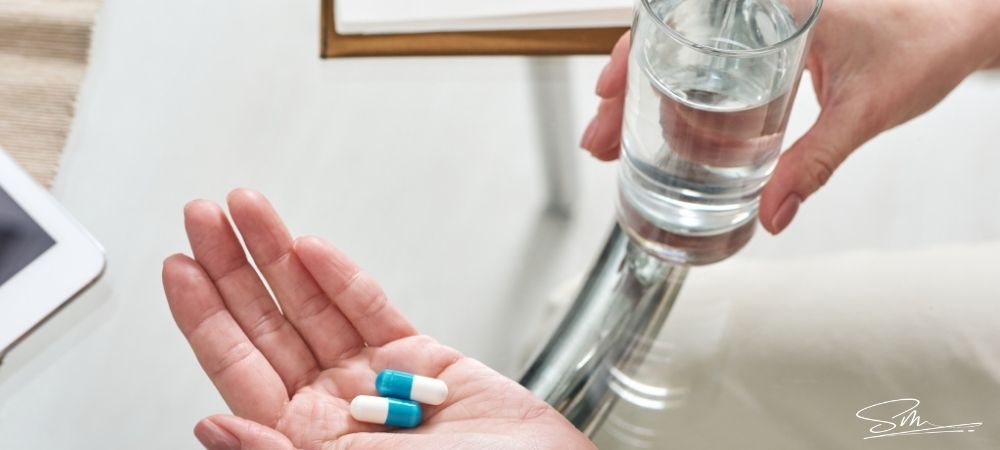
Under the 2025 U.S. guideline, medication is generally recommended alongside lifestyle treatment for adults whose average blood pressure is at least 140/90 mm Hg. It may also be recommended beginning at 130/80 mm Hg for people with cardiovascular disease, a previous stroke, diabetes, chronic kidney disease, or sufficiently elevated predicted cardiovascular risk. Lower-risk adults with stage 1 hypertension may first receive a three- to six-month lifestyle trial, with medication added if the average remains elevated.
Common starting medicines include thiazide-type diuretics, ACE inhibitors, angiotensin receptor blockers, and calcium-channel blockers. Your clinician will choose based on your health history, kidney function, other medicines, possible side effects, and whether you are pregnant or could become pregnant. Stage 2 hypertension often needs two medicines that work in different ways, sometimes combined in one pill.
If your readings improve, keep taking your medicine as prescribed. Those better readings may mean it is doing its job. Discuss any changes with the clinician who prescribed it.
Sometimes high blood pressure has another cause
Most people have primary hypertension, which develops through a combination of inherited traits and other influences. Sometimes, though, another condition or a medicine is raising the pressure. This is called secondary hypertension.
Possible contributors include kidney disease, primary aldosteronism, obstructive sleep apnea, thyroid disorders, renal artery disease, and certain medications or substances. Nonsteroidal anti-inflammatory drugs, stimulants, decongestants, some hormonal therapies, licorice, and other products can raise blood pressure in susceptible people.
Your clinician may look for these causes if high blood pressure starts at a young age, appears suddenly, is severe, occurs with low potassium, or stays high despite several medicines.
A useful next step
If you do not know your usual blood pressure, start by getting it checked. If you already monitor at home, take a moment to check your technique and cuff fit.
Bring your readings to your next appointment and ask what they mean for you. Agree on a target, any changes to make, and when to check in again. That follow-up matters just as much as the first measurement.
You do not need perfect numbers every time you use the cuff. You need a reliable picture of your usual pressure and a clear plan if it is consistently too high.
This article is for general educational purposes only and does not establish a physician-patient relationship. It is not a substitute for individualized medical advice, diagnosis, or treatment. Consult a qualified healthcare professional about your readings, symptoms, and treatment decisions.
References
- American Heart Association and American College of Cardiology. 2025 Guideline for the Prevention, Detection, Evaluation, and Management of High Blood Pressure in Adults. Circulation. Published August 14, 2025.
- American Heart Association. Understanding Blood Pressure Readings. Reviewed August 14, 2025.
- Centers for Disease Control and Prevention. Measuring Your Blood Pressure. Updated September 4, 2026.
- World Health Organization. Hypertension. September 25, 2025.
- World Health Organization. Global Report on Hypertension 2025. 2025.